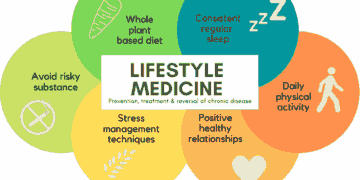
The quest for a longer, healthier life—often dubbed “longevity hacks”—has officially evolved from fringe interest into a sophisticated, multi-billion-dollar global industry. Fuelled by unprecedented advances in biotechnology, artificial intelligence, and personalized medicine, the focus has shifted dramatically from merely extending lifespan (the number of years lived) to enhancing healthspan (the number of years lived in good health, free from chronic disease). This transformation represents a paradigm shift in healthcare, moving from reactive treatment of age-related diseases to proactive, preventative intervention in the aging process itself. The market, including therapeutics, supplements, and diagnostics, is poised for massive expansion, driven by significant venture capital investment and an increasingly health-conscious, aging global population.
I. The Scientific Bedrock: Targeting the Hallmarks of Aging
The longevity industry’s credibility stems from a rapidly maturing scientific field known as geroscience. Rather than treating individual diseases like cancer, diabetes, or Alzheimer’s separately, geroscience targets the fundamental biological mechanisms that drive aging, which are common risk factors for all these chronic conditions. Researchers have identified several “hallmarks of aging” that serve as targets for new therapies.
A. Cellular Senescence and Senolytics
- A. The Problem of ‘Zombie’ Cells:Cellular senescence occurs when cells stop dividing but refuse to die, lingering in tissues and releasing inflammatory molecules that damage surrounding healthy cells. These are often referred to as “zombie cells.” Senescence is strongly linked to inflammation (known as “inflammaging”) and the onset of numerous age-related diseases.
- B. Senolytics: The Targeted Solution:Senolytics are a class of drugs and compounds specifically designed to selectively clear these senescent cells from the body. Early studies, primarily in animal models, have shown that periodically administering senolytics can improve various age-related conditions—including physical function, vascular health, and neurodegenerative changes—and extend the healthspan. Research is rapidly moving through human trials, targeting specific compounds like Dasatinib and Quercetin (often referred to as DQ).
B. Metabolic Pathways and NAD+ Precursors
- A. The Crucial Role of NAD+:Nicotinamide Adenine Dinucleotide ($\text{NAD}^+$) is a vital coenzyme found in every cell, essential for metabolic processes, DNA repair, and the function of Sirtuins (proteins linked to longevity). Unfortunately, $\text{NAD}^+$ levels decline significantly with age, contributing to a host of age-related issues.
- B. Boosting NAD+ for Cellular Health:The biotech sector has heavily invested in $\text{NAD}^+$ precursors, which are compounds taken orally to help the body manufacture more $\text{NAD}^+$. The most popular examples are Nicotinamide Riboside (NR) and Nicotinamide Mononucleotide (NMN). The market for these nutraceuticals has soared into the billions, as consumers seek to replenish this “molecule of youth” to support energy levels, muscle function, and overall cellular vitality.
C. Epigenetic Reprogramming and Molecular Clocks
- A. Reversing the Biological Clock:Epigenetics refers to changes in gene activity that do not involve alterations to the underlying DNA sequence—it’s the software layer controlling the hardware. Over time, the epigenome accumulates “noise” that leads to cells behaving sub-optimally. Epigenetic reprogramming research seeks to temporarily “reset” the epigenetic markers in aged cells to a younger, more vigorous state. While this is one of the most futuristic and early-stage areas of longevity science, the potential for true biological reversal is attracting massive, high-profile investment.
- B. Measuring Biological Age:The advancements in epigenetics have led to the creation of biological aging clocks, such as the DunedinPoAm and various DNA methylation clocks. Unlike chronological age, these tools use sophisticated molecular analysis to give an accurate, data-driven assessment of how fast or slow an individual is truly aging. This technology underpins the shift toward personalized longevity by providing a measurable metric for therapeutic success.

II. The Investment Frenzy: A Billion-Dollar Ecosystem
The longevity movement has become a magnet for venture capital, technology billionaires, and institutional investors, catapulting the sector into the league of major biotech markets. The global longevity biotech market is projected to reach well over 50 billion USD by the next decade, demonstrating a strong CAGR.
A. Major Investment Trends and Platforms
- A. Focus on Platform Technologies:Investors are increasingly favoring companies that develop foundational “platform technologies”—tools and infrastructure that can accelerate the discovery of multiple new drugs, rather than just funding a single-target compound. This strategy minimizes risk and maximizes potential therapeutic pipelines, such as those focusing on AI-driven drug discovery for age-related targets.
- B. High-Profile Corporate and VC Backing:The sector is defined by massive funding rounds and the involvement of technology titans. Companies like Altos Labs and Calico Life Sciences, backed by billions in capital, are pursuing fundamental research into cellular rejuvenation and aging biology, creating an unprecedented level of resources dedicated to the field.
- C. Consumer Longevity Applications:Beyond pharmaceuticals, significant investment is flowing into consumer-facing technologies that focus on preventative health, including smart wearables, sophisticated home diagnostics, and personalized supplement platforms. The success of smart rings, for instance, which track sleep and recovery—two critical aspects of biological aging—illustrates the consumer demand for actionable health data.
B. The Rise of Nutraceuticals and Supplements
The longevity supplements market is estimated to exceed 8 billion USD, making it the most accessible and commercially developed segment of the industry.
- A. Scientific Credibility as the Marketing Edge:Consumers in this space are highly informed and demand scientific validation. Brands are now forced to invest in small-scale clinical studies, seek third-party certifications (like NSF or USP), and practice radical transparency regarding ingredient sourcing and formulation science. The vague claims of the past are being replaced by evidence-based marketing centered on specific biological pathways (e.g., “SIRT1 activation” or “CD38 inhibition”).
- B. Hyper-Personalization Models:The supplement industry is rapidly moving away from one-size-fits-all vitamins. The new frontier is personalized longevity, where companies use DNA analysis, blood biomarkers, and AI to recommend bespoke supplement stacks tailored to an individual’s unique ageotype—their peculiar individual aging trajectory and organ-specific aging rates. This data-driven customization increases customer retention and perceived value.
III. The Fusion with Technology: AI and Personalized Medicine
The longevity revolution would be impossible without the convergence of biotechnology with advanced computing and AI.
A. Artificial Intelligence in Geroscience
- A. Accelerating Drug Discovery:AI analyzes vast genomic, transcriptomic, and proteomic data sets—the “omics”—to identify previously unknown biological targets or to efficiently repurpose existing, safe drugs (like Metformin or Rapamycin) for longevity applications. This dramatically cuts down the time and cost associated with traditional pharmaceutical research.
- B. Precision Diagnostics:AI is essential for interpreting the complex data from the aforementioned biological aging clocks. It integrates multi-omics data with common clinical parameters to build high-resolution, organ-specific aging clocks that can predict the development of specific age-related diseases with greater accuracy than ever before.
B. The Personalized Health Ecosystem
Longevity in the 21st century is fundamentally personalized. It involves creating an individualized medicine program based on continuous data feedback.
- A. Continuous Biometric Tracking:Wearable devices, from smart watches to continuous glucose monitors (CGMs), provide continuous, real-time data on sleep quality, heart rate variability (HRV), stress levels, and metabolic response. These “hacks” allow individuals to directly measure the impact of lifestyle choices, diet, and supplements on their body’s function, empowering them to become active participants in their own longevity journey.
- B. Ageotyping for Tailored Intervention:By mapping an individual’s ageotype—identifying whether their immune system, cardiovascular system, or brain is aging fastest—clinicians can prescribe a precisely targeted, preventive medical intervention. This is the ultimate goal of the industry: to use data to intervene proactively and keep the body’s various systems aligned with a young biological age.
IV. Ethical and Societal Challenges of Extended Healthspan
While the potential benefits of extending the human healthspan are immense—adding trillions to the global economy and reducing the burden of chronic disease—the industry must navigate profound ethical and social challenges.
A. The Accessibility and Equity Dilemma
- A. Widening the Health Gap:The most immediate concern is that longevity technologies—particularly high-end diagnostics, personalized medicine platforms, and future approved therapeutics—will initially be expensive and thus primarily accessible only to the wealthy. This risk could broaden the gap between rich and poor, potentially creating a “longevity elite” with dramatically extended healthy lives, while the majority of the global population is left behind.
- B. Global Healthcare Burden:Even if healthspan is extended, a longer life, even a healthy one, places increased long-term strain on pension funds, social security, and housing infrastructure. Policymakers must proactively adapt economic and social structures to accommodate a population where working life and retirement years are fundamentally redefined.
B. Regulatory and Moral Hurdles
- A. Defining “Aging as a Disease”:Currently, aging is not classified as a disease by regulatory bodies like the FDA. This classification is a major hurdle for biotech firms seeking clinical trials and drug approvals, as it limits the official indication for many promising therapies. The industry is actively lobbying for this change to unlock faster, more focused clinical development.
- B. Existential and Resource Concerns:Public concern persists regarding the morality of radically extending life. Concerns include overpopulation, resource depletion, and the fear of outliving loved ones or prolonging a state of poor health. The industry’s primary focus on healthspan—not just lifespan—is its most effective counterpoint to these fears, positioning the technology as a way to improve quality of life in later years.
In conclusion, the longevity industry is at a pivotal inflection point. Driven by science and defined by investment, the “hacks” of yesterday are rapidly becoming the data-driven, personalized medical interventions of tomorrow. The quest is no longer fantasy; it is a serious, well-funded endeavor to rewrite the human aging experience, promising not just more years, but more healthy years for humanity. The next decade will see the critical transition from promising clinical data to widely accessible, approved therapies, cementing longevity as one of the world’s most impactful billion-dollar sectors.