The digital age of health and wellness continually churns out catchy terminology, and the latest phrase dominating social media feeds—especially on platforms like TikTok and Instagram—is Fibermaxxing. This viral wellness trend champions a dedicated, intensified approach to dietary fiber consumption. It marks a significant shift in focus from the protein-heavy macro-tracking culture of previous years toward optimizing gut health, a cornerstone of overall physical and mental well-being.
Fibermaxxing, in its simplest form, is the strategic effort to not just meet, but significantly exceed, the standard daily recommended intake of dietary fiber through conscious food choices and, sometimes, supplementation. While the core message—eat more plants—is universally endorsed by nutrition science, the aggressive “maxxing” component requires careful, nuanced execution to harvest the benefits while skillfully avoiding the uncomfortable pitfalls. This comprehensive guide will dissect the Fibermaxxing phenomenon, exploring the robust science supporting the trend and detailing the practical, safe steps for implementation.
Decoding The Fibermaxxing Trend
Fibermaxxing is fundamentally a lifestyle choice centered around a nutrient that is chronically under-consumed by the vast majority of the global population: fiber.
A. What Constitutes Fibermaxxing?
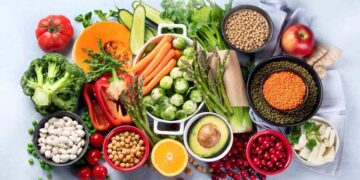
Fibermaxxing goes beyond the general recommendation of consuming a “high-fiber diet.” It is an active pursuit of the maximal effective dose of fiber, often pushing daily intake well above 30 grams and, for some proponents, aiming for 50 grams or more. This is achieved by strategically engineering every meal and snack to be fiber-dense, prioritizing ingredients such as legumes, whole grains, nuts, seeds, and the full spectrum of fruits and vegetables.
B. The Current Fiber Intake Crisis
Before discussing the “maxxing,” it is essential to contextualize the prevailing low consumption rates. Official dietary guidelines typically recommend:
- A. For Adult Men (Under 50): Approximately 38 grams of fiber per day.
- B. For Adult Women (Under 50): Approximately 25 grams of fiber per day.
However, the average intake for many adults hovers closer to 10–15 grams daily. Fibermaxxing, therefore, starts as a corrective measure to bridge this significant nutritional gap, even for those who aim for “optimal” levels.
C. Distinguishing Fiber Types
The benefits of Fibermaxxing stem from the synergistic action of the two primary categories of fiber:
- A. Soluble Fiber: This type dissolves in water, forming a gel-like substance.
- B. Key Function: Slows down digestion, which aids in blood sugar control and creates a sense of prolonged fullness (satiety). It also binds to cholesterol, helping to lower LDL levels.
- C. Sources: Oats, barley, nuts, seeds, apples, citrus fruits, and beans.
- D. Insoluble Fiber: This type does not dissolve in water; it remains intact as it moves through the digestive tract.
- E. Key Function: Acts as bulk, promoting regular bowel movements and preventing constipation by “sweeping” the colon.
- F. Sources: Whole-wheat flour, wheat bran, brown rice, vegetables (like carrots and broccoli), and the skins of fruits.
Fibermaxxing encourages the consumption of a diverse range of whole plant foods to ensure a healthy balance of both fiber types.
The Profound Health Benefits of High-Fiber Diets
The popularity of Fibermaxxing is not merely hype; it is grounded in decades of robust nutritional research pointing to fiber’s indispensable role in preventing chronic disease and promoting longevity.
A. Revolutionizing Gut and Digestive Health
The most direct and immediately noticeable benefits of increasing fiber intake relate to the digestive system:
- A. Prebiotic Powerhouse: Soluble fiber acts as a prebiotic, serving as the primary fuel source for the trillions of beneficial bacteria residing in the colon—the gut microbiota.
- B. Short-Chain Fatty Acids (SCFAs) Production: The fermentation of fiber by gut bacteria produces vital compounds, most notably Short-Chain Fatty Acids (SCFAs) like butyrate, acetate, and propionate.
- C. Colonic Health: SCFAs are the main energy source for the cells lining the colon, helping to maintain the integrity of the intestinal barrier and reduce inflammation.
- D. Regularity and Detoxification: Insoluble fiber efficiently moves waste through the digestive tract. This reduces the time potential toxins and waste products linger in the colon, significantly lowering the risk of issues like constipation, hemorrhoids, and potentially colorectal cancer.
B. Metabolic and Cardiovascular Mastery
A high-fiber diet acts as a powerful preventative tool against the major chronic diseases of the modern era:
- A. Stable Blood Glucose: By physically slowing the digestion and absorption of carbohydrates, particularly simple sugars, soluble fiber prevents the sharp, damaging spikes in blood sugar. This is a critical mechanism for preventing and managing Type 2 Diabetes.
- B. Cholesterol Reduction: Soluble fiber’s gel-forming properties trap bile acids—which are made from cholesterol—forcing the body to excrete them and thus drawing on circulating cholesterol to produce more. This actively lowers dangerous LDL (“bad”) cholesterol.
- C. Blood Pressure Improvement: High fiber intake is statistically linked to reduced blood pressure and overall systemic inflammation, supporting long-term cardiovascular resilience.
C. The Gut-Brain Axis and Mood Regulation (Advanced Insight)
Beyond physical health, one of the most compelling areas of research driving the Fibermaxxing trend is the link between fiber, the gut, and the brain:
- A. SCFA’s Role in Neuroprotection: Emerging studies suggest that SCFAs produced through fiber fermentation can cross the blood-brain barrier. Butyrate, in particular, may offer neuroprotective effects.
- B. Mood and Stress Response: A balanced, fiber-fed gut microbiota influences the production of neurotransmitters (like serotonin) and modulates the Hypothalamic-Pituitary-Adrenal (HPA) axis, which governs the body’s stress response. Individuals with high dietary fiber intake often demonstrate better resilience to stress and lower instances of anxiety and depression.
- C. Cognitive Function: By reducing neuroinflammation and protecting the blood-brain barrier, fiber’s metabolites may indirectly support enhanced focus, memory, and long-term cognitive function.
D. Weight Management and Appetite Control
Fibermaxxing naturally supports sustainable weight management through several complementary mechanisms:
- A. Enhanced Satiety: Fiber-rich foods are more voluminous and demand more chewing time. This mechanical process sends stronger signals of fullness to the brain.
- B. Calorie Displacement: By consuming high-fiber, nutrient-dense whole foods, individuals naturally displace the consumption of highly-processed, calorie-dense foods that typically contain low fiber and high levels of refined sugars and unhealthy fats.
- C. Gastric Emptying: Soluble fiber’s viscosity slows the rate at which food leaves the stomach, prolonging the feeling of fullness and helping to manage portion control and curb unnecessary snacking.

The Dark Side of ‘Maxxing’: Risks and Safety Protocols
While the objective of increasing fiber is commendable, the “maxxing” approach—characterized by a sudden, drastic jump in intake—presents considerable, and often painful, risks. A mindful approach is non-negotiable.
A. Acute Gastrointestinal Distress Syndrome
The most common side effects of aggressive Fibermaxxing are related to digestive system shock:
- A. Severe Gas and Bloating: The sudden availability of a massive new fuel source causes an explosion of bacterial fermentation, leading to uncomfortable and often painful gas and abdominal distension.
- B. Abdominal Cramping: The rapid bulking and movement of material through an unadapted digestive system can cause painful spasms and cramping.
- C. Constipation/Diarrhea Paradox: Too much fiber without sufficient fluid leads to rock-hard, unmoving stool and severe constipation. Conversely, an overabundance of insoluble fiber can speed transit time to the point of causing diarrhea and loose stools.
B. The Paramount Need for Hydration
The most critical guardrail for Fibermaxxing is hydration. Fiber acts like a sponge; it needs water to swell and move properly. Without ample fluid intake:
- A. Impaired Motility: The fiber mass becomes dense and impacted.
- B. Intestinal Blockage Risk: In extremely rare but serious cases, high-dose fiber (especially from supplements) combined with severe dehydration can lead to a bezoar (a trapped mass) resulting in an intestinal obstruction requiring immediate medical intervention.
C. Mineral Malabsorption Concerns
In the absence of a balanced, whole-foods diet, fiber intake exceeding 70 grams per day from concentrated sources may introduce a risk of binding to and reducing the absorption of key minerals:
- A. Iron: Vital for oxygen transport.
- B. Zinc: Essential for immune function and wound healing.
- C. Calcium: Critical for bone health.
This is why nutrition experts caution against reliance on supplements alone and stress the importance of deriving fiber from a diet rich in vitamins and minerals.
Practical and Safe Strategies for Fiber Optimization
The goal should be Fiber Optimization, not fiber overload. Achieving the upper range of recommended fiber intake should be viewed as a slow, deliberate marathon, not a sprint.
A. The Gradual Integration Principle
The most important rule for safe Fibermaxxing is slow and steady:
- A. Increase Slowly: Gradually increase your daily fiber intake by no more than 3 to 5 grams per day, per week. This allows the gut microbiome to adjust its population and enzyme production, minimizing gas and bloating.
- B. Consistent Monitoring: Maintain a food journal or use a tracking app to monitor fiber intake and correlate it with digestive symptoms. If discomfort occurs, hold your current intake level until symptoms resolve before attempting the next small increase.
B. Prioritizing Whole Food Fiber Sources
Fiber should be integrated naturally throughout the day using a diverse menu of whole foods:
- A. Breakfast Power-Up: Start with high-fiber grains like oatmeal (rich in soluble fiber) topped with berries (high-fiber fruit) and a tablespoon of ground flaxseeds or chia seeds.
- B. Lunchtime Legumes: Substitute refined grains with beans or lentils. A simple lentil soup or a bean-based salad can easily add 10-15 grams of fiber.
- C. Dinner Diversity: Always include at least two servings of high-fiber vegetables (e.g., a cup of broccoli or Brussels sprouts) and opt for whole grains like quinoa or brown rice over white rice or refined pasta.
- D. Fiber-Smart Snacking: Trade processed snacks for small handfuls of nuts and seeds, or fruits like apples and pears (always eaten with the skin).
C. Supplementation vs. Whole Foods
While fiber supplements (like psyllium husk or inulin) are useful tools for bridging a small fiber gap or managing specific digestive issues, they should not be the foundation of a Fibermaxxing regimen.
- A. Whole Foods Advantage: Whole foods provide a matrix of vitamins, minerals, antioxidants, and phytochemicals that synergize with fiber, delivering comprehensive health benefits that isolated supplements cannot replicate.
- B. Supplement Caution: If using a supplement, choose one with clear evidence of health benefits (functional fiber) and ensure you drink a full glass of water with every dose to prevent impaction.
D. Tailoring Fiber to Specific Needs (Advanced Considerations)
Fiber intake may need to be tailored for specific populations:
- A. Older Adults: As metabolic rate and appetite decrease, the recommended fiber intake is slightly lower (e.g., 21 grams for women over 50). Fiber is crucial for preventing age-related constipation and maintaining muscle strength.
- B. Athletes: While fiber is beneficial, athletes in intense training may need to time their insoluble fiber intake carefully, avoiding large doses immediately before competition to prevent gastrointestinal distress during exercise. Soluble, easily fermentable fibers are often better tolerated close to training.
- C. Individuals with IBS: People with Irritable Bowel Syndrome (IBS) often react poorly to certain types of fermentable fibers (known as FODMAPs). They should work with a dietitian to identify trigger foods and manage fiber intake to avoid exacerbating symptoms.
The Enduring Legacy of Fibermaxxing
Fibermaxxing, stripped of the social media theatrics, is a potent and scientifically validated movement towards nutritional balance. It highlights the vast, often ignored, health impact of a single nutrient. The core take-away is not to count every single gram of fiber in pursuit of an arbitrary high number, but to use the concept as a compass—a daily reminder to prioritize whole, unprocessed, plant-based foods at every opportunity. By focusing on diversity, gradual increase, and adequate hydration, the goals of Fibermaxxing—a healthier gut, a stronger heart, and a more stable metabolism—become attainable, sustainable elements of a truly optimal diet.