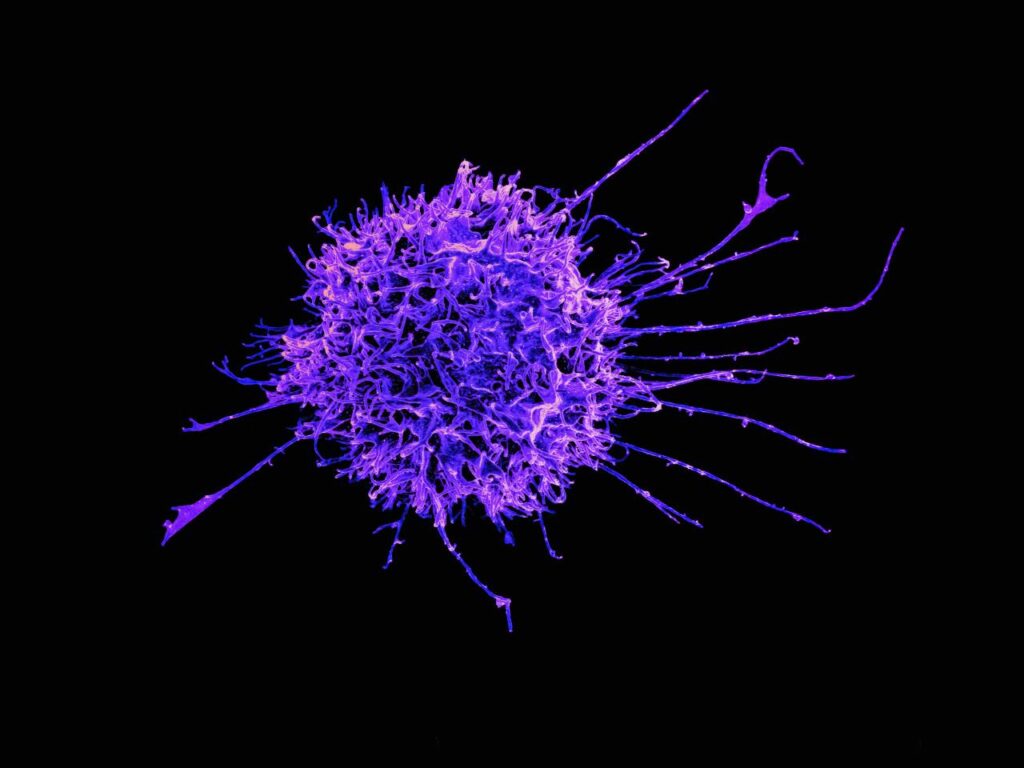
The human body is an incredible biological masterpiece that functions as a high-tech fortress under constant siege from the outside world. Every single day, you walk through a literal cloud of microscopic invaders including bacteria, viruses, fungi, and parasites that are all looking for a way to move in and take over. Without you ever noticing, a sophisticated network of cells, tissues, and organs works around the clock to identify these threats and neutralize them before they can cause any lasting damage.
This complex defense system is known as the immune system, and it is arguably the most important survival tool we possess. It doesn’t just wait for you to get sick; it is proactive, scanning your bloodstream and tissues like a high-end security team monitoring a thousand cameras at once. When a breach occurs, the response is immediate, involving a series of chemical signals and specialized “warrior” cells that are trained to destroy specific enemies.
Understanding how this invisible shield works is not just a matter of curiosity, but a vital part of learning how to take better care of our long-term health. In this detailed exploration, we will dive into the fascinating mechanics of your internal army and discover the daily battles that keep you standing strong.
The First Line of Defense: Physical Barriers
Before a germ can even reach your internal organs, it has to pass through a series of physical and chemical barriers that make up your innate immune system. The most obvious of these is your skin, which acts like a waterproof and highly durable suit of armor. It is slightly acidic, which creates a hostile environment for many harmful bacteria that try to settle on its surface.
Inside your body, the defense continues with mucous membranes that line your respiratory and digestive tracts. These membranes produce a sticky fluid that traps dust and pathogens, preventing them from entering deeper into your system. Think of it like flypaper for microscopic intruders that protects your lungs and stomach.
A. The skin serves as a structural wall that prevents the vast majority of environmental pathogens from entering the body.
B. Cilia are tiny hair-like structures in your airways that wave back and forth to push trapped germs out of your lungs.
C. Stomach acid is a powerful chemical bath that destroys most bacteria and viruses that enter through the food you eat.
D. Tears and saliva contain specialized enzymes called lysozymes that can dissolve the cell walls of certain bacteria on contact.
E. Beneficial bacteria on your skin and in your gut compete with harmful invaders for space, effectively crowding them out.
The Rapid Response Team: Innate Immunity
If a pathogen manages to slip through a cut in your skin or survives the acid in your stomach, your innate immune system kicks into high gear. This part of your defense is “non-specific,” meaning it attacks anything that it recognizes as “non-self” or foreign. It is the rapid response team that arrives at the scene of an infection within minutes to contain the threat.
This process often involves inflammation, which is why a cut might turn red, get warm, and swell up. This is actually a good sign because it means your body is sending more blood and white blood cells to the area to start the cleanup process. During this stage, specialized cells called phagocytes literally eat the invading germs to destroy them.
A. Neutrophils are the most common type of white blood cell and are usually the first to arrive at the site of an infection.
B. Macrophages are large scavenger cells that patrol your tissues, engulfing pathogens and cleaning up dead cellular debris.
C. Natural Killer (NK) cells identify and destroy your own cells if they have been hijacked by a virus or have become cancerous.
D. The complement system consists of proteins in the blood that can punch holes in the membranes of bacteria to kill them.
E. Cytokines are chemical messengers that act like a biological alarm system, calling for reinforcements from other parts of the immune network.
The Elite Special Forces: Adaptive Immunity
While the innate system is fast, it isn’t always enough to stop a powerful or clever invader. This is where your adaptive immune system comes in, acting as the elite special forces of your biological army. Unlike the innate system, the adaptive system creates a customized response to a specific enemy, such as a particular strain of the flu or a specific type of bacteria.
This system relies on T-cells and B-cells, which are highly specialized white blood cells that can “remember” a specific pathogen. This memory is why you usually only get certain diseases, like chickenpox, once in your lifetime. Your body keeps a “Wanted” poster of that virus on file so it can destroy it instantly if it ever shows up again.
A. B-cells are the “factory” cells that produce antibodies, which are Y-shaped proteins designed to lock onto specific targets.
B. Helper T-cells act as the commanders of the immune response, coordinating the actions of other cells to ensure a victory.
C. Cytotoxic T-cells are the primary assassins that seek out and destroy body cells that have been infected by an intracellular pathogen.
D. Memory cells are created after an infection is over, staying in your system for years to provide long-term protection.
E. Antigens are the unique “fingerprints” on the surface of a pathogen that allow your adaptive system to recognize the specific threat.
The Role of Lymph Nodes and the Spleen

You might have noticed that your “glands” under your jaw get swollen when you have a sore throat. These are actually your lymph nodes, and they act as the tactical command centers for your immune system. They are scattered throughout your body and connected by a network of vessels that carry a clear fluid called lymph.
The lymph nodes filter out pathogens and provide a place for T-cells and B-cells to meet and plan their attack. Your spleen performs a similar function but focuses on filtering your blood rather than lymph fluid. Together, these organs ensure that your immune cells are always in the right place at the right time.
A. Lymphatic vessels transport immune cells and trapped pathogens from your tissues to the nearest lymph node for processing.
B. The spleen acts as a massive blood filter, removing old red blood cells and detecting blood-borne infections.
C. Tonsils and adenoids are specialized lymph tissues at the back of the throat that catch germs entering through the nose and mouth.
D. Peyer’s patches are clusters of immune tissue in the small intestine that monitor the bacteria levels in your digestive tract.
E. The thymus is a specialized organ located behind the breastbone where T-cells go to “graduate” and learn how to fight.
Antibodies: The Precision Missiles
Antibodies are one of the most fascinating components of your immune system’s arsenal. These proteins are custom-built by B-cells to fit perfectly onto the surface of a specific invader. Once an antibody attaches to a virus or bacteria, it acts like a beacon, signaling to other immune cells that this target must be destroyed.
They can also work by neutralizing the threat directly, such as blocking the “spike” on a virus so it cannot enter your cells. Your body can produce millions of different types of antibodies, each one designed for a specific threat. This is the biological equivalent of having a precision-guided missile for every possible enemy in the world.
A. Immunoglobulin G (IgG) is the most abundant antibody in the blood and provides the majority of your long-term protection.
B. Immunoglobulin M (IgM) is the first antibody produced during a new infection, acting as a quick but less precise response.
C. Immunoglobulin A (IgA) is found in tears, saliva, and breast milk, protecting the surfaces of your body that are exposed to the air.
D. Immunoglobulin E (IgE) is the antibody responsible for allergic reactions, mistakenly attacking harmless things like pollen or dust.
E. Agglutination is a process where antibodies clump pathogens together, making it easier for scavenger cells to eat them all at once.
The Gut-Immune Connection
It might surprise you to learn that about 70% of your entire immune system is located in your gut. Your digestive tract is a major entry point for pathogens, so your body keeps a massive garrison of immune cells there to stand guard. This is why what you eat has such a profound impact on your ability to fight off illness.
Your gut is also home to trillions of bacteria known as the microbiome, which play a crucial role in “training” your immune system. These good bacteria teach your immune cells how to tell the difference between a dangerous invader and a harmless piece of food. A healthy gut microbiome is one of the best defenses you can have against both infections and autoimmune diseases.
A. Probiotics are beneficial bacteria found in fermented foods that help maintain a strong and diverse immune environment in the gut.
B. Prebiotics are fiber-rich foods that act as “fuel” for your good bacteria, allowing them to thrive and protect you.
C. Leaky gut syndrome occurs when the intestinal lining becomes compromised, allowing toxins and germs to enter the bloodstream directly.
D. Short-chain fatty acids produced by gut bacteria help regulate inflammation levels throughout your entire body.
E. Antibiotic overuse can disrupt the delicate balance of the microbiome, temporarily weakening your immune defenses.
When the System Makes a Mistake: Allergies and Autoimmunity
As powerful as the immune system is, it isn’t perfect and can sometimes make mistakes. Allergies happen when your immune system overreacts to something harmless, like cat dander or peanuts, treating it like a deadly parasite. This leads to the release of histamine, which causes sneezing, itching, and sometimes dangerous swelling.
A more serious mistake is autoimmunity, where the immune system loses the ability to distinguish “self” from “non-self.” In these cases, your internal army starts attacking your own healthy tissues, such as your joints, skin, or thyroid gland. Scientists are still working to understand exactly why this happens, but it likely involves a mix of genetics and environmental triggers.
A. Molecular mimicry occurs when a foreign germ looks so much like a human cell that the immune system gets confused and attacks both.
B. Histamine is the chemical that triggers classic allergy symptoms by making your blood vessels leak and your airways constrict.
C. Anaphylaxis is a severe, life-threatening allergic reaction that requires immediate medical intervention with epinephrine.
D. Immunosuppressant drugs are often used to treat autoimmune diseases by “turning down” the volume of the immune response.
E. Tolerance is the biological process by which the immune system learns to ignore the body’s own healthy proteins and cells.
Immunosenescence: The Aging Shield
As we get older, our immune system naturally begins to lose some of its speed and efficiency. This process is known as immunosenescence, and it is the reason why older adults are more susceptible to infections and why vaccines sometimes work less effectively in the elderly. Your body produces fewer new T-cells, and the ones it does have become less “vigilant.”
However, this doesn’t mean you are helpless as you age. Lifestyle factors like regular exercise and a nutrient-dense diet can significantly slow down the aging of your immune system. Modern medicine is also exploring “rejuvenation” therapies that aim to restart the production of fresh immune cells in the bone marrow and thymus.
A. The shrinking of the thymus gland over time is a major contributor to the decline of T-cell production in older adults.
B. Inflammaging is a state of chronic, low-level inflammation that often accompanies the aging process and stresses the immune system.
C. Zinc and Vitamin D deficiencies are particularly common in the elderly and can further weaken an already aging immune response.
D. Regular physical activity has been shown to improve the circulation of immune cells, keeping the “shield” more active and alert.
E. Booster shots are often necessary for older adults to “remind” their aging adaptive system how to recognize certain diseases.
The Impact of Stress and Sleep
Your mental state has a direct physical impact on how well your immune system functions. When you are chronically stressed, your body produces high levels of cortisol, a hormone that suppresses immune activity. This is why you often get a cold or a cold sore right after a stressful week at work or school.
Sleep is equally important because it is during deep rest that your immune system does its best work. While you sleep, your body releases cytokines that are essential for fighting infection and inflammation. Depriving yourself of sleep is like telling half of your army to take a day off right when a battle is about to begin.
A. Cortisol inhibits the production of white blood cells, leaving you more vulnerable to viruses that are currently circulating.
B. The “fight or flight” response was designed for short-term emergencies, not the long-term stress of modern life.
C. Sleep deprivation reduces the “stickiness” of T-cells, making it harder for them to latch onto and destroy infected cells.
D. Melatonin, the sleep hormone, also acts as an antioxidant that helps protect immune cells from damage during the night.
E. Relaxation techniques like meditation and deep breathing have been clinically proven to lower stress markers and boost immunity.
Boosting Your Defense Naturally
While you can’t “supercharge” your immune system beyond its natural limits, you can certainly ensure it has all the raw materials it needs to function perfectly. Nutrition is the most important factor, as your immune cells require a steady supply of vitamins, minerals, and proteins to build their “weapons.”
Vitamins like C, D, and A are essential, but minerals like zinc and selenium are just as important for cell signaling and defense. Hydration also plays a key role, as water is needed to produce lymph and keep your mucous membranes moist. A healthy lifestyle isn’t about one “superfood,” but about a consistent pattern of taking care of your biological machine.
A. Vitamin C is a powerful antioxidant that protects immune cells from the “friendly fire” of their own chemical attacks.
B. Vitamin D receptors are found on almost every immune cell, proving its critical role in regulating the overall defense response.
C. Zinc is necessary for the production of new white blood cells and the healing of wounds on the skin’s surface.
D. High-protein diets provide the amino acids needed to build millions of new antibodies every single day.
E. Flavonoids found in colorful fruits and vegetables help dampen excessive inflammation and support a balanced immune system.
Conclusion
The immune system is a silent and incredibly complex guardian that keeps us alive every single day.
It is a multi-layered fortress that combines physical walls with a highly intelligent army of specialized cells.
Every breath you take and every meal you eat is filtered and monitored by this invisible internal security team.
When you feel healthy and full of energy, it is because your immune shield is performing its job perfectly.
Taking care of your body through sleep, diet, and stress management is the best way to support this system.
We often take our health for granted until the moment our internal defenses are finally breached by a powerful foe.
Understanding the mechanics of immunity helps us make smarter choices for our long-term wellness and longevity.
Science continues to unlock new secrets about how our cells communicate to defend us from modern microscopic threats.
Your body is a precious ecosystem that deserves to be protected and nourished with the highest quality care.
The battle for your health is fought on a microscopic scale every second of your entire life from birth to old age.
May you always value the invisible shield that works so tirelessly to ensure your survival in a world of germs.