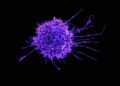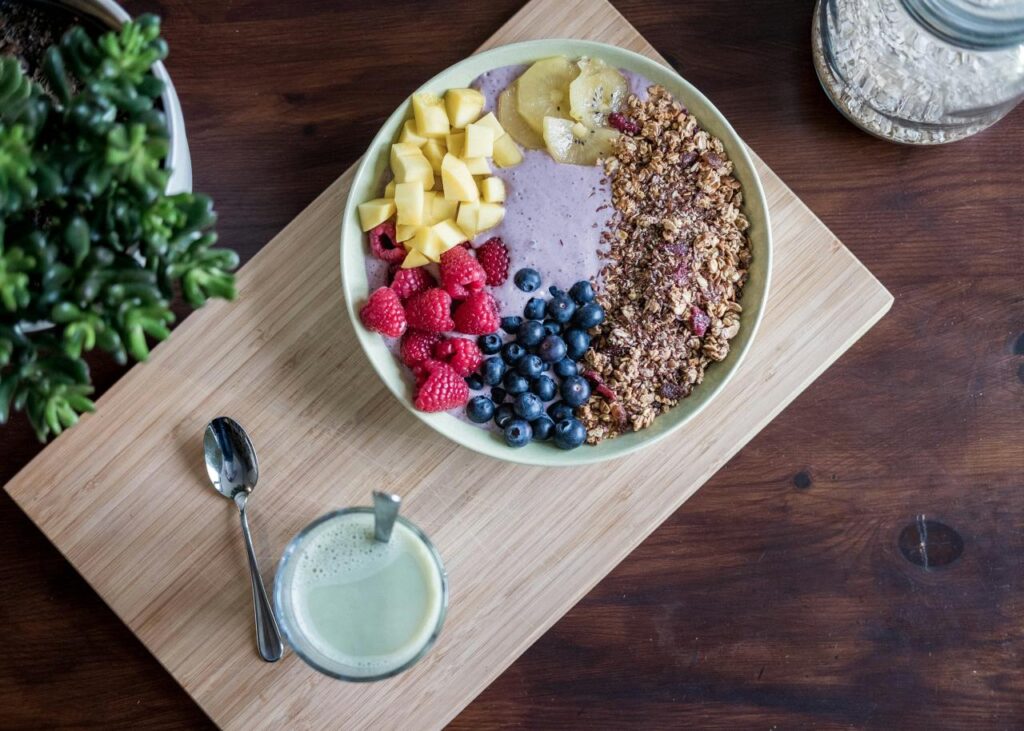
The human body is an incredibly complex ecosystem where trillions of microscopic organisms coexist in a delicate balance that determines our overall well-being. Deep within your digestive tract lies a hidden world known as the gut microbiome, a massive community of bacteria, fungi, and viruses that act as a secondary brain for your body. For many years, we believed that the gut was simply a machine for processing food and expelling waste, but modern science has revealed a much more profound truth.
This internal landscape is actually the headquarters of your immune system, housing approximately seventy percent of your body’s defensive cells. The relationship between your gut health and your ability to fight off infections is so intimate that they are essentially two sides of the same coin. When your microbiome is thriving and diverse, your immune system is sharp, resilient, and capable of identifying threats with extreme precision.
However, when this balance is disrupted by poor diet, stress, or environmental toxins, your internal shield begins to crumble, leaving you vulnerable to everything from the common cold to chronic autoimmune disorders. Understanding the microbiome connection is the ultimate key to unlocking a life of vitality and long-term health in an increasingly toxic world. In this comprehensive guide, we will explore the fascinating mechanics of how your gut bacteria talk to your immune system and how you can optimize this partnership for peak performance.
The Biological Headquarters of Immunity
It is a startling fact for most people to learn that their intestines are the primary training ground for the immune system. The gut lining serves as a massive frontier where your internal world meets the external world through the food and liquids you consume. This area is constantly patrolled by specialized immune tissues known as Gut-Associated Lymphoid Tissue (GALT), which monitor everything that passes through.
These tissues are responsible for deciding which substances are harmless nutrients and which are dangerous pathogens that need to be destroyed. Because the surface area of the gut is so large, it requires a massive garrison of white blood cells to keep the peace. Without a healthy gut environment, these cells can become confused, leading to either a weakened defense or a dangerous overreaction.
A. Epithelial cells form a tight physical barrier that prevents undigested food and harmful microbes from leaking into your bloodstream.
B. Dendritic cells act as scouts that sample the contents of the gut and report back to the main immune command center.
C. Secretory Immunoglobulin A (sIgA) is a specialized antibody produced in the gut that neutralizes toxins and prevents germs from sticking to the walls.
D. Tight junctions are the “glue” between your intestinal cells that must remain strong to prevent the dreaded condition known as leaky gut.
E. Lymphatic vessels surrounding the gut transport activated immune cells to the rest of the body to provide systemic protection.
Meet Your Microbiome: The Silent Partner
The microbiome is not just a collection of random germs; it is a highly organized organ that performs vital chemical functions for your survival. You carry roughly three to five pounds of bacteria in your colon, consisting of thousands of different species. Each species has a specific job, from breaking down complex fibers to producing essential vitamins like B12 and K.
The diversity of these species is the most important indicator of a healthy gut and a strong immune system. A “monoculture” gut, where only a few types of bacteria dominate, is often linked to obesity, depression, and frequent illness. By feeding the right bacteria, you are essentially hiring the best security team available to protect your biological assets.
A. Bacteroidetes and Firmicutes are the two primary families of bacteria that make up the vast majority of a healthy human microbiome.
B. Commensal bacteria are the “good guys” that live in harmony with you and provide protection against more aggressive, “opportunistic” pathogens.
C. Dysbiosis is the medical term for an imbalance in the gut where harmful microbes outnumber the beneficial ones, leading to chronic inflammation.
D. Metabolic byproducts created by your bacteria act as signaling molecules that tell your immune system when to turn on and off.
E. Gene expression in your human cells can actually be influenced by the types of bacteria living in your gut at any given time.
How Bacteria “Talk” to Your Immune System
One of the most mind-blowing discoveries in modern medicine is the realization that bacteria communicate directly with human immune cells. This communication happens through chemical signals and small molecules that the bacteria release as they digest your food. These signals act as a “volume knob” for your immune system, keeping it at the perfect level of alertness.
Beneficial bacteria produce compounds called Short-Chain Fatty Acids (SCFAs) that have powerful anti-inflammatory effects. These SCFAs travel through your blood and reach your lungs, your skin, and even your brain, helping to calm down excessive inflammation. When your bacteria are happy and well-fed, they send “all-clear” signals that prevent your immune system from attacking your own body.
A. Butyrate is a specific SCFA that serves as the primary fuel source for the cells lining your colon, keeping the barrier strong and healthy.
B. Regulatory T-cells (Tregs) are produced in response to healthy gut signals and are responsible for preventing autoimmune attacks.
C. Toll-like receptors (TLRs) are the “antennae” on your immune cells that sense the presence of different bacterial proteins and chemicals.
D. The Gut-Lung Axis is a communication pathway that explains why a healthy gut can help prevent respiratory infections like the flu.
E. Cytokine production is heavily modulated by the microbiome, ensuring that the body doesn’t enter a dangerous “cytokine storm” during an infection.
The Dangers of Leaky Gut Syndrome
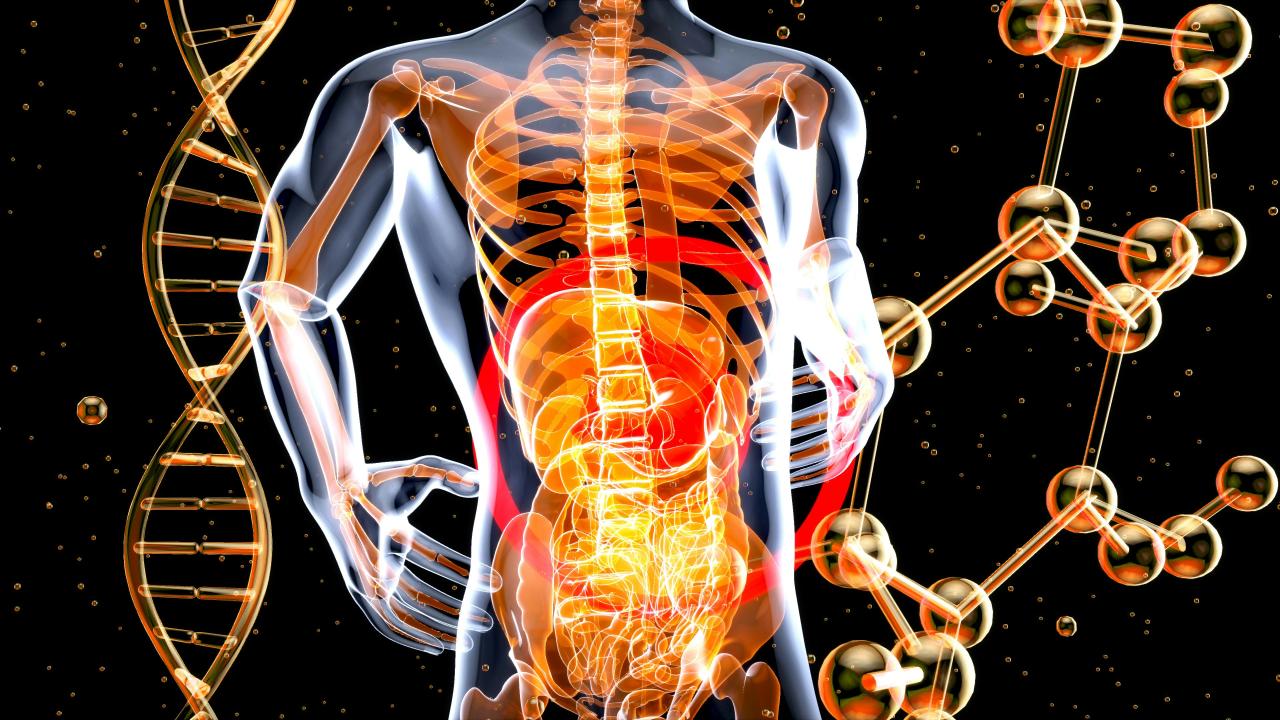
When the delicate balance of the gut is destroyed, the tight junctions between the intestinal cells can begin to pull apart. This creates microscopic holes in the barrier, allowing “foreign” substances like lipopolysaccharides (LPS) and undigested proteins to enter the blood. This condition, known as Increased Intestinal Permeability or “Leaky Gut,” is a nightmare for your immune system.
Once these toxins are in the blood, your immune system enters a state of high alert, attacking everything in sight to try and clean up the mess. This leads to systemic inflammation, which is the root cause of almost every modern chronic disease. If you want to fix your immunity, you must first fix the leaks in your intestinal fortress.
A. Food sensitivities often develop as a result of leaky gut because the immune system begins to recognize healthy foods as invaders.
B. Chronic fatigue and “brain fog” are common symptoms of the low-level systemic inflammation caused by a compromised gut lining.
C. Skin conditions like eczema, acne, and psoriasis are often outward signs of an internal struggle happening in the gut.
D. Autoimmune triggers are frequently traced back to the constant immune activation caused by leaking gut toxins.
E. Nutrient malabsorption occurs when the gut is too damaged to properly extract vitamins and minerals from the food you eat.
Probiotics vs. Prebiotics: The Dynamic Duo
To rebuild a damaged gut, you need two things: the right “seeds” and the right “fertilizer.” Probiotics are the live beneficial bacteria found in fermented foods or high-quality supplements that help re-colonize your system. Prebiotics, on the other hand, are the specific types of plant fibers that feed those beneficial bacteria so they can grow and multiply.
Think of probiotics as a rescue team being dropped into a disaster zone to restore order. Prebiotics are the supplies that keep that rescue team alive and working efficiently for the long term. You need both to create a sustainable and resilient microbiome that can defend you against the modern world’s challenges.
A. Fermented foods like kimchi, sauerkraut, kefir, and kombucha are natural powerhouses of diverse probiotic strains.
B. Targeted supplementation may be necessary after a course of antibiotics to help your microbiome recover from the “carpet bombing” effect.
C. Resistant starch, found in cooked and cooled potatoes or green bananas, is one of the most powerful prebiotics for boosting butyrate production.
D. High-fiber vegetables like artichokes, garlic, onions, and leeks are essential for keeping your beneficial bacteria populations high.
E. Diversity in your plant intake is the number one predictor of a healthy microbiome, as different bacteria eat different types of fiber.
The Antibiotic Aftermath
Antibiotics have saved millions of lives, but they are also one of the most destructive forces for the gut microbiome. An antibiotic cannot tell the difference between the bacteria causing your ear infection and the beneficial bacteria that protect your colon. One single course of broad-spectrum antibiotics can wipe out decades of microbial diversity in a matter of days.
While the body can eventually recover, it often takes months of careful dieting to get back to the original baseline of health. In some cases, certain beneficial species may never return without deliberate intervention. It is crucial to only use antibiotics when absolutely necessary and to have a “recovery plan” ready for your gut as soon as the treatment is finished.
A. Post-antibiotic diarrhea is a common sign that the protective “good” bacteria have been decimated by the medication.
B. Yeast overgrowth, such as Candida, often happens after antibiotics because there are no bacteria left to keep the fungi in check.
C. Strategic use of the yeast Saccharomyces boulardii during antibiotic treatment can help protect the gut from secondary infections.
D. Re-introducing fermented foods slowly after antibiotics can help “kickstart” the recovery of the internal ecosystem.
E. Long-term microbiome changes from childhood antibiotic use have been linked to an increased risk of allergies and asthma later in life.
The Gut-Brain Axis: Mental Health and Immunity
The connection between your gut and your brain is so strong that it is often called the “vagus nerve highway.” Your gut bacteria produce over ninety percent of the serotonin in your body, which is the primary chemical responsible for your mood. When your gut is inflamed, it sends “distress” signals to the brain that can cause anxiety and depression.
This mental stress, in turn, causes the body to release cortisol, which further damages the gut lining and suppresses your immune response. This creates a vicious cycle where a bad gut makes you stressed, and stress makes your gut even worse. Breaking this cycle requires a holistic approach that treats both the mind and the microbiome simultaneously.
A. Neurotransmitters like GABA and dopamine are also produced by specific strains of gut bacteria to influence cognitive function.
B. “Psychobiotics” is a new field of science exploring how specific probiotic strains can be used to treat mental health disorders.
C. Chronic stress causes “tight junction” proteins to weaken, proving that your thoughts can literally make your gut leak.
D. Vagus nerve stimulation through deep breathing and meditation has been shown to improve gut motility and reduce inflammation.
E. The “enteric nervous system” consists of millions of neurons embedded in the gut wall that operate independently of the brain.
Diet: The Ultimate Microbiome Architect
What you eat today determines the bacteria you will have tomorrow, as the microbiome can change significantly in as little as twenty-four hours. A diet high in ultra-processed foods, sugar, and unhealthy fats acts as “poison” for your beneficial bacteria. These foods feed the harmful, pro-inflammatory species that cause weight gain and immune dysfunction.
On the other hand, a “Rainbow Diet” filled with various plant-based colors provides the polyphenols and antioxidants your gut needs to thrive. Polyphenols act as a special kind of prebiotic that selectively feeds “super-bacteria” like Akkermansia, which is known for its incredible anti-aging and anti-obesity effects. Every meal is an opportunity to either build your defense or weaken it.
A. Ultra-processed foods contain emulsifiers and artificial sweeteners that have been shown to erode the protective mucus layer of the gut.
B. Polyphenol-rich foods like dark chocolate, green tea, blueberries, and red wine are excellent for promoting microbial diversity.
C. Omega-3 fatty acids from wild-caught fish or algae are powerful tools for cooling down gut inflammation and supporting the barrier.
D. Hydration is essential for maintaining the mucus layer, which acts as the “home” for your beneficial bacteria.
E. Time-restricted eating or intermittent fasting gives the gut a break from digestion, allowing the “migrating motor complex” to clean the pipes.
Lifestyle Factors: Beyond the Plate
While diet is the most important factor, your lifestyle choices also play a massive role in the health of your microbiome. Regular exercise has been shown to increase the diversity of beneficial bacteria, even without changing what you eat. On the other hand, chronic sleep deprivation acts as a major stressor that can alter your gut composition overnight.
Environmental toxins, such as pesticides (like glyphosate) and heavy metals, can also act as “microbiome disruptors.” Even the household cleaning products you use and the water you drink can affect the delicate balance of your internal world. Creating a “gut-friendly” lifestyle means being mindful of the chemicals you allow into your home and your body.
A. Physical activity increases the production of SCFAs in the colon, which provides systemic anti-inflammatory benefits.
B. Circadian rhythm disruption, such as shift work or jet lag, has a direct negative impact on the “internal clock” of your gut bacteria.
C. Filtering your tap water to remove chlorine and fluoride can help protect your sensitive microbiome from these disinfectant chemicals.
D. Spending time in nature and around animals can help “re-wild” your microbiome by exposing you to diverse natural bacteria.
E. Reducing the use of antibacterial soaps and hand sanitizers allows your immune system to stay “trained” by harmless environmental microbes.
The Future of Personalized Gut Medicine
As we move toward 2026, the field of “precision nutrition” is allowing us to map our individual microbiomes with incredible detail. In the near future, you will be able to take a simple at-home test and receive a personalized list of exactly which foods and probiotics your specific body needs. No two microbiomes are the same, and what works for your friend might not work for you.
We are also seeing the rise of “Fecal Microbiota Transplants” (FMT) for treating severe gut infections and perhaps even metabolic disorders. This involves taking the healthy microbiome of a donor and placing it into a sick patient to completely reset their internal ecosystem. This is the ultimate proof that the bacteria themselves are the medicine of the future.
A. Microbiome sequencing allows scientists to identify the specific “bugs” that might be making you tired or unable to lose weight.
B. Synthetic biology may soon allow us to create “designer probiotics” that can produce specific medicines inside your own gut.
C. Personalized fiber blends can be designed to feed only the bacteria you are lacking, avoiding the gas and bloating of generic supplements.
D. The integration of AI and big data is helping researchers find patterns between gut health and rare genetic diseases.
E. Home testing kits are becoming more affordable and accurate, giving everyone the power to monitor their internal health.
Conclusion
Your gut microbiome is the invisible conductor of your body’s complex immune orchestra.
The health of your internal bacteria is the most important factor in your daily energy and resilience.
Every time you eat, you are either feeding a healthy army or nourishing a potential enemy.
Modern life is filled with “gut-busters,” but you have the power to rebuild and protect your system.
Focus on diversity in your diet and consistency in your healthy habits to see the best results.
A strong gut is the foundation for a sharp mind and a body that can withstand the test of time.
Never forget that you are more microbe than you are human, so you must treat your silent partners well.
Healing your gut takes time and patience, but the rewards are truly life-changing for your longevity.
The connection between the microbiome and immunity is the final frontier of modern wellness and medicine.
Listen to your gut feelings, as they are often the voice of trillions of organisms trying to keep you safe.
Invest in your internal ecosystem today, and your immune system will thank you for the rest of your life.