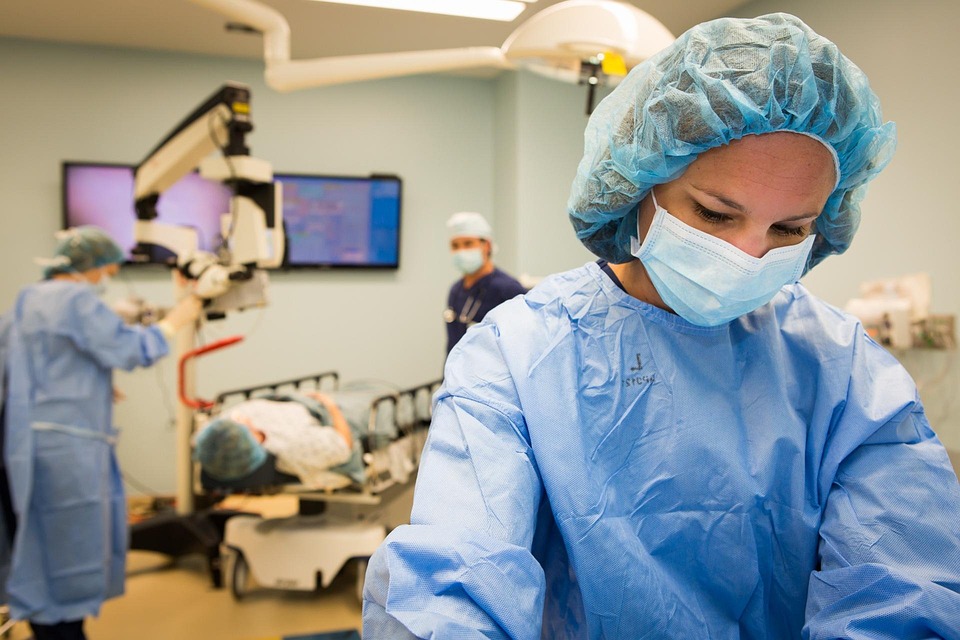
The expansion of Telehealth—the delivery of health-related services and information via electronic information and telecommunication technologies—is fundamentally reshaping the global healthcare landscape. Driven by rapid technological advancements, evolving regulatory frameworks, and, significantly, the necessity imposed by recent global health crises, telehealth has moved from a peripheral solution to a core component of modern medical delivery.
This transformation is pivotal because it addresses some of the most persistent and critical challenges facing healthcare systems worldwide: geographical access barriers, escalating costs, and the need for continuous, personalized patient management. By leveraging technologies like high-speed internet, smartphones, and connected devices, telehealth is actively bridging critical care gaps and paving the way for a more accessible, efficient, and equitable future in medicine.
I. Understanding the Pillars of Telehealth Delivery
Telehealth is an umbrella term encompassing several distinct methods of delivering care remotely. The power of the technology lies in the synchronous and asynchronous capabilities it offers to both patients and providers.
A. Synchronous Telehealth (Real-Time Interaction)
This involves live, two-way interaction between a patient and a provider, mirroring a traditional in-person visit but conducted digitally.
A. Live Video Consultations: Using secure, HIPAA-compliant platforms, patients connect with doctors for initial assessments, follow-up appointments, or specialized consultations. This is often the most common form of telehealth, covering general practice, mental health counseling, and minor acute illnesses.
B. Remote Patient Monitoring (RPM): This involves the use of digital technologies (e.g., connected blood pressure cuffs, glucometers, wearable sensors) to collect health data from patients in one location and electronically transmit that data to healthcare providers for review in a different location. RPM is crucial for managing chronic conditions like diabetes, hypertension, and heart failure.
C. Interactive Telementoring: Live video is used to connect experienced specialists with less-experienced practitioners in remote locations (e.g., during surgery or complex procedures), providing real-time guidance and professional support.
B. Asynchronous Telehealth (Store-and-Forward)
This involves the transmission of recorded health information (such as still images, pre-recorded video, or medical documents) from an originating site to a healthcare practitioner at a distant site for later review.
A. Teleradiology: Imaging studies (X-rays, MRIs, CT scans) are digitally captured and sent to a distant radiologist for interpretation, often speeding up diagnosis and providing specialist opinions to facilities without a resident radiologist.
B. Teledermatology: High-resolution photographs of skin conditions are taken by a primary care provider and securely sent to a dermatologist for assessment, dramatically reducing wait times for specialist skin consults.
C. Digital Health Records Exchange: The secure sharing of electronic health records (EHRs) and patient data between providers in different geographical locations ensures continuity of care and informed decision-making.
C. Mobile Health (mHealth)
This involves the use of smartphones, tablets, and mobile applications to deliver health information and support. While related to telehealth, mHealth focuses heavily on behavioral and self-management tools.
A. Wellness and Fitness Apps: Applications for tracking exercise, sleep, and nutrition.
B. Medication Reminders and Adherence Tools: Apps that help patients manage complex medication schedules.
C. Mental Health and Symptom Trackers: Tools used for self-monitoring and recording mood, pain levels, or specific symptoms for later review by a clinician.
II. Bridging Critical Care Gaps with Telehealth
The power of telehealth lies in its ability to circumvent long-standing geographical and systemic barriers, creating a truly inclusive healthcare system.
A. Addressing Rural and Remote Access Barriers
In many parts of the world, specialized medical care is concentrated in metropolitan areas, leaving rural populations medically underserved.
A. Specialist Consultations: Telehealth instantly connects patients in geographically isolated areas with highly specialized doctors (cardiologists, neurologists, oncologists) without requiring arduous travel. This not only saves patients time and money but also reduces the physical burden of travel, which is particularly challenging for the elderly or chronically ill.
B. Emergency and Critical Care Support: Tele-ICU programs allow critical care specialists in distant hubs to monitor and advise on the care of critically ill patients in smaller, local hospitals that may lack 24/7 in-house specialists.
C. Indigenous and Tribal Health: Telehealth has proven vital in connecting remote Indigenous and tribal communities with culturally sensitive primary care and mental health services, often overcoming significant logistical hurdles and improving health equity.
B. Enhancing Mental Health Service Delivery (Telemental Health)
The need for accessible mental health services is acute, and telehealth provides a secure, private, and effective delivery method.
A. Increased Access and Reduced Stigma: Many patients feel more comfortable seeking psychotherapy, counseling, and psychiatry from the privacy of their own homes, which can reduce the stigma associated with visiting a mental health clinic.
B. Behavioral Health Continuity: Telemental health ensures continuity of care even when patients move or when unforeseen circumstances (like lockdowns or transportation issues) prevent in-person visits.
C. Crisis Intervention and Support: Telehealth platforms can quickly connect individuals in crisis with licensed professionals for immediate support and assessment, potentially preventing self-harm or further escalation.
C. Improving Chronic Disease Management
Telehealth, particularly RPM, fundamentally changes the management of chronic conditions, shifting care from reactive to proactive.
A. Real-Time Data and Proactive Intervention: RPM devices continuously stream data (e.g., blood pressure, blood glucose). AI algorithms can analyze this data for concerning trends or sudden deviations, immediately alerting the clinical team. This enables proactive intervention (e.g., adjusting medication dosage) before a minor issue escalates into an emergency room visit or hospitalization.
B. Patient Empowerment and Adherence: When patients actively monitor and track their own data, they gain a clearer understanding of how their lifestyle choices impact their health metrics. This high level of engagement often leads to improved medication adherence and better lifestyle choices.
C. Reduced Healthcare Costs: By preventing acute exacerbations and reducing the need for costly hospital stays and emergency visits, effective chronic care management via RPM significantly lowers overall healthcare expenditure.
III. The Economic and Operational Advantages
Beyond patient access, telehealth offers compelling operational and economic benefits for healthcare providers and systems.
A. Operational Efficiency and Throughput
Telehealth optimizes clinic workflows and resource utilization.
A. Reduced No-Show Rates: Virtual appointments often have significantly lower “no-show” rates compared to in-person visits, as patients don’t face transportation issues or parking hassles. This maximizes the provider’s scheduling efficiency and revenue cycle.
B. Optimized Clinical Space: Telehealth reduces the physical footprint required for examinations and waiting areas, allowing facilities to utilize their costly physical space more efficiently for procedures or essential in-person services.
C. Streamlined Triage: Initial consultations and routine follow-ups can be handled virtually, freeing up in-person slots for patients who require physical examination, laboratory work, or complex procedures.
B. Workforce Management and Specialization
Telehealth expands the geographical reach and expertise of the clinical workforce.
A. Recruitment and Retention: Healthcare organizations can recruit specialists without geographical constraint, hiring doctors and nurses who prefer to work remotely, thereby expanding their talent pool and improving staff retention.
B. Load Balancing: Telehealth enables large systems to load balance their clinical staff, shifting provider capacity from less-busy locations to high-demand areas without requiring staff travel, ensuring consistent access across the network.
C. Continuing Medical Education (CME): Telehealth platforms are used for remote educational sessions, grand rounds, and training, enabling medical professionals to stay current with the latest procedures and research regardless of their physical location.

IV. Overcoming Legal, Regulatory, and Digital Hurdles
The massive expansion of telehealth is contingent on successfully navigating complex legal, regulatory, and technical obstacles.
A. Licensing and Cross-State Practice
Historically, medical licenses have been granted at the state or national level. This creates a significant barrier for telehealth, as a doctor licensed in one state cannot typically provide a consultation to a patient located in another state.
A. Interstate Licensure Compacts: The development of Interstate Medical Licensure Compacts (IMLC) and similar agreements for nursing and psychology is crucial. These compacts streamline the process, allowing practitioners to gain licenses in multiple states and practice across state lines, essential for large, multi-state health systems.
B. Temporary and Emergency Waivers: The pandemic necessitated temporary waivers that relaxed these rules, proving the clinical viability of interstate practice and pressuring regulators to adopt permanent, flexible solutions.
B. Reimbursement and Payment Parity
For telehealth to be sustainable, providers must be adequately compensated for virtual services.
A. Payment Parity Legislation: Many jurisdictions have passed laws requiring private payers and government programs (like Medicare/Medicaid) to reimburse telehealth services at the same rate as comparable in-person services (payment parity), incentivizing widespread adoption by providers.
B. Evolving Coding and Billing: Healthcare systems must adapt their coding and billing practices to accurately reflect the various modalities of telehealth (synchronous, asynchronous, RPM), ensuring compliance and financial viability.
C. Digital Divide and Patient Literacy
While telehealth reduces geographical barriers, it can introduce digital barriers.
A. Access to Broadband: Effective video conferencing and RPM require reliable, high-speed internet access, which is often lacking in the same rural and underserved areas that stand to benefit most from telehealth. This gap is known as the Digital Divide.
B. Digital Literacy: Older populations or individuals with lower digital literacy may struggle to navigate video conferencing platforms or set up and use home monitoring equipment. Healthcare systems must invest in training, technical support, and user-friendly interfaces to ensure equitable access.
V. The Future of Healthcare: Integrated and Personalized
The future of telehealth will be defined by its seamless integration into the entire patient journey, moving toward highly personalized, preventative, and predictive care models.
A. Hospital-at-Home Models: Telehealth, RPM, and mobile technology enable healthcare systems to safely provide hospital-level acute care to patients in their own homes. This model has proven cost-effective and often results in better patient outcomes and satisfaction compared to traditional inpatient stays.
B. AI-Augmented Care: AI will integrate data from RPM, wearables, and EHRs to create sophisticated predictive models. AI won’t replace doctors but will augment their capabilities, alerting them to potential health crises before they manifest and helping personalize preventative care plans based on vast population data.
C. Fully Integrated Digital Therapeutics (DTx): DTx, which are software programs that deliver evidence-based therapeutic interventions to prevent, manage, or treat medical disorders, will become standard tools. These programs, often accessed via smartphone or tablet, will use telehealth platforms to connect with the patient’s provider for monitoring and supervision.
D. Global Health Collaboration: Telehealth facilitates true global collaboration, allowing specialists to consult on rare cases across continents, sharing best practices and accelerating the dissemination of medical knowledge.
The expansion of telehealth is an unstoppable force, transforming healthcare from a physically constrained service model to a highly flexible, distributed, and patient-centric system. By diligently addressing the remaining regulatory and technical hurdles, the global community can realize the promise of a healthcare system that is truly accessible, efficient, and capable of providing personalized care to everyone, everywhere.