In the relentless rush of contemporary life, characterized by demanding careers, intricate social schedules, and the constant digital distraction that fragments our attention, the critical, daily task of preparing nutritious, home-cooked meals often transforms from a pleasurable activity into a significant source of stress, leading countless individuals to rely heavily on expensive, less-healthy take-out or pre-packaged convenience foods that invariably undermine long-term wellness goals.
This pervasive dependency on instant gratification not only drains financial resources but also introduces highly processed ingredients, excess sugars, and unhealthy fats into the diet, creating a silent erosion of health that manifests as chronic fatigue, weight management struggles, and diminished overall vitality, pushing personal well-being to the bottom of the priority list.
Recognizing this fundamental conflict between time scarcity and the unwavering need for consistent, high-quality nutrition, the strategic practice of meal preparation, or “meal prep,” emerges as a simple yet profoundly effective solution, acting as a disciplined organizational framework that allows individuals to reclaim control over their diet and their schedule simultaneously.
By dedicating a concentrated block of time, typically once a week, to planning, shopping, cooking, and portioning meals, this system successfully removes the daily friction of food decisions, transforming healthy eating from a burdensome chore into an easily managed, almost automatic component of a busy lifestyle.
Pillar 1: Deconstructing the Meal Prep Philosophy
Defining what meal prep is and the immediate, tangible benefits it delivers.
A. Defining Meal Preparation
The fundamental difference between cooking and strategic meal prepping.
Systematic Planning: Meal prep is not just cooking; it is a systematic process that begins with planning the entire week’s menu and the corresponding shopping list beforehand.
Batch Cooking and Portioning: The core activity involves cooking large batches of foundational ingredients or complete meals and then immediately portioning them into individual, ready-to-eat containers.
Eliminating Daily Friction: The goal is to remove the mental load and time commitment associated with daily cooking, ensuring that a healthy meal is available in the refrigerator or freezer within minutes.
B. The Financial Advantage
How planning saves money over the long term.
Reduced Take-out Costs: By having prepared food available, the need to order expensive delivery or grab lunch at a restaurant is drastically reduced, leading to significant weekly savings.
Minimize Food Waste: Shopping with a precise meal plan and list means buying exactly what is needed, leading to less spoilage of perishable ingredients like fresh vegetables.
Bulk Buying Savings: Meal prepping allows for the strategic purchase of ingredients in bulk (e.g., large bags of rice, larger cuts of meat) when they are on sale, maximizing cost efficiency.
C. The Health and Wellness Payoffs
Gaining control over ingredients and portion size.
Ingredient Control: Prepping allows the cook to fully control the quality and type of ingredients used, ensuring the exclusion of unwanted additives, excess sodium, sugar, and unhealthy oils commonly found in processed foods.
Accurate Portion Management: Meals are pre-portioned into containers based on specific goals (e.g., calorie count, macro split), making it easy to track intake and prevent overeating.
Consistent Nutrition: The system ensures a consistent intake of necessary macronutrients and micronutrientsthroughout the week, eliminating the nutritional inconsistency of impulsive eating.
Pillar 2: The Foundational Steps of Successful Prepping
The necessary preparation and organization required before starting to cook.
A. The Planning Stage
Designing a menu that is both healthy and sustainable.
Check the Calendar: First, review the week ahead to account for any meals that will be eaten out (e.g., a planned dinner party) to avoid preparing unnecessary food.
Define the Goal: Align the menu with the primary health objective—whether it’s weight loss (calorie deficit), muscle gain (high protein), or clean eating (high vegetable intake).
Choose Reliable Recipes: Select recipes that are simple, scalable, and hold up well when stored in the refrigerator for several days (avoiding items like soft lettuce or anything too crunchy).
B. The Strategic Shopping List
Moving from the plan to an efficient grocery store visit.
Inventory Check: Check the pantry and refrigerator first to identify ingredients already on hand, preventing duplicate purchases and ensuring ingredients are used before they expire.
Categorize the List: Organize the shopping list by store sections (e.g., produce, dairy, protein, bulk items) to minimize time spent walking back and forth and ensure nothing is forgotten.
Stick to the Plan: Strictly adhere to the prepared list and avoid browsing the inner aisles where processed snacks and high-sugar convenience foods are typically displayed.
C. The Prep Day Setup
Organizing the kitchen for maximum efficiency and flow.
Clear the Space: Clear and sanitize all counter space, ensuring there is adequate room for chopping, assembling, and portioning containers.
Gather Equipment: Get all necessary tools out before starting—cutting boards, sharp knives, large cooking pots, sheet trays, and the final storage containers—to maintain momentum during the cooking process.
The Mise en Place: Adopt the chef’s technique of mise en place (everything in its place): pre-wash and pre-chop all vegetables before starting any cooking, allowing for smoother, uninterrupted cooking flow.
Pillar 3: Mastering the Batch Cooking Techniques
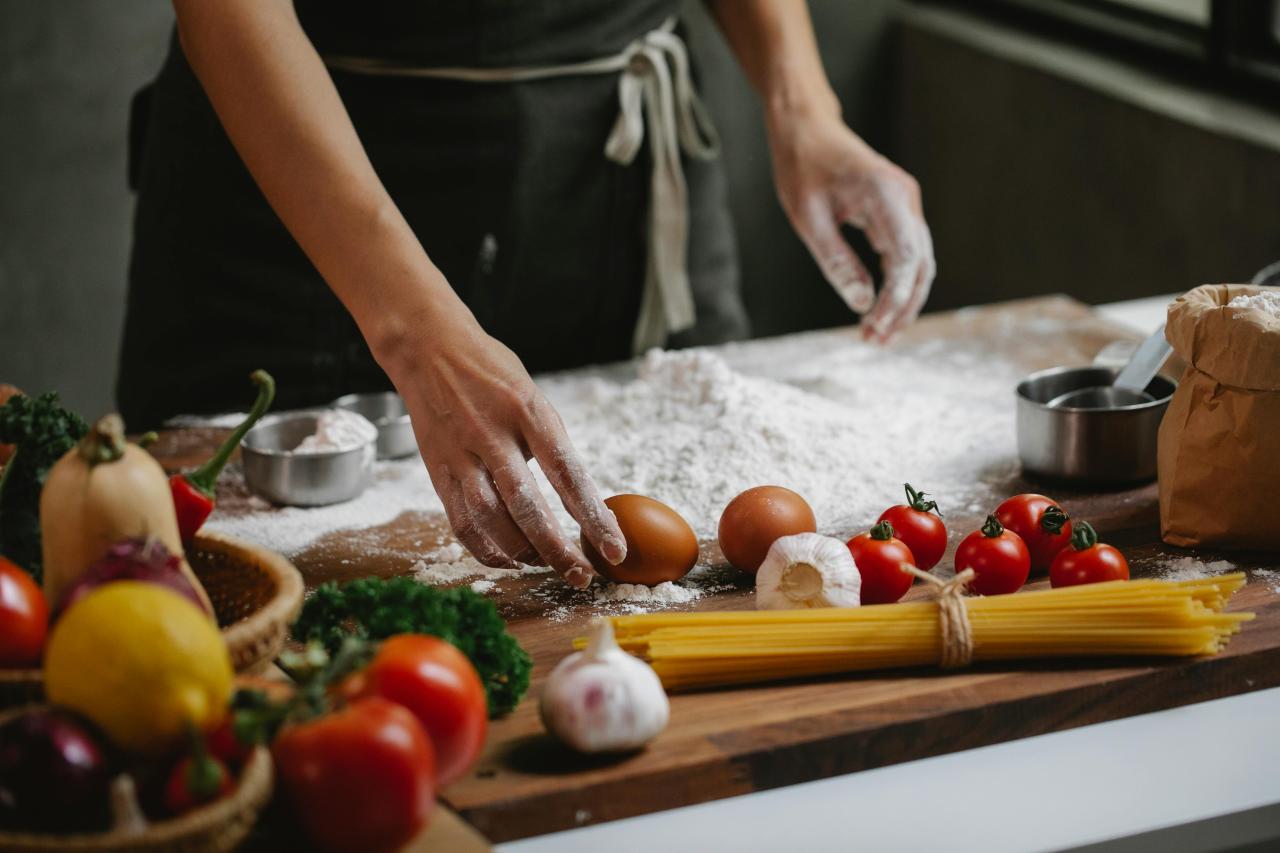
Efficient methods for preparing large quantities of foundational ingredients quickly.
A. The Power of Sheet Pan Cooking
Using the oven for simultaneous, hands-off preparation.
Simultaneous Roasting: Utilize multiple sheet pans to roast various vegetables and proteins simultaneously(e.g., broccoli on one, sweet potatoes on another, chicken breasts on a third).
Temperature Consistency: Choose ingredients that cook well at the same temperature (typically $400^{\circ}F$or $200^{\circ}C$) to simplify the process and reduce the time spent monitoring different temperatures.
Minimal Cleanup: Sheet pan cooking is incredibly efficient because it requires minimal cookware and can be further simplified by lining the pans with parchment paper or foil.
B. Efficient Stovetop and Pressure Cooking
Managing multiple cooking processes at once.
Staggered Stove Use: Utilize all available burners to stagger cooking times—use one pot for grains (rice, quinoa), another for steaming vegetables, and a third for simmering a large batch of chili or soup.
Instant Pot/Pressure Cooker: A pressure cooker is invaluable for meal prep, as it can cook dense proteins (e.g., chicken, dried beans, hard squash) in a fraction of the time, requiring minimal oversight.
The Slow Cooker (Crock-Pot): Use a slow cooker to prepare large volumes of shreddable meats (e.g., pulled pork, shredded chicken) or stews overnight or while performing other prep tasks, creating easy, versatile protein bases.
C. Foundational Ingredient Focus
Cooking versatile components that can be mixed and matched.
Lean Protein Bases: Prepare a large amount of a neutral protein like plain grilled chicken, ground turkey, or baked fish that can be seasoned differently throughout the week (e.g., Mexican spices one day, Asian sauce another).
Complex Carbohydrates: Cook starchy bases like quinoa, brown rice, or potatoes in bulk; these are versatile and provide sustained energy throughout the workday.
Ready-to-Eat Vegetables: Focus on prepping raw or lightly steamed vegetables that can be added cold to salads or quickly reheated to maintain crunch and nutritional value.
Pillar 4: Storage, Safety, and Maximizing Freshness
Ensuring prepared meals remain safe, appealing, and last the entire week.
A. Container Selection and Portioning
Choosing the right vessels for organization and safety.
Glass vs. Plastic: Invest in high-quality, stackable glass containers; they are non-toxic, stain-resistant, safe for microwave reheating, and generally last longer than plastic.
Compartmentalized Containers: Use containers with separate compartments for meals where maintaining texture is important (e.g., keeping wet sauce separate from crunchy toppings or rice).
Hot-Filling Technique: To minimize bacteria growth, portion food into containers immediately after cooking while the food is still hot (above $140^{\circ}F$ or $60^{\circ}C$) and seal them before rapidly cooling.
B. Refrigeration and Freezing Strategy
Determining what food to eat now and what to save for later.
The Four-Day Rule: Most cooked foods are safe and retain peak quality for up to four days in the refrigerator; label containers with the intended consumption date for safety.
Strategic Freezing: For meals intended for later in the week (Day 5, 6, or 7), immediately freeze them after they have fully cooled to lock in freshness and prevent spoilage.
Freezer-Friendly Meals: Prioritize soups, chilis, stews, casseroles, and burritos for freezing, as they freeze and reheat exceptionally well without significant texture degradation.
C. Maintaining Flavor and Texture
Simple tricks to prevent “prep fatigue” by ensuring variety.
Dressings on the Side: Always store sauces, salad dressings, and liquid condiments separately until immediately before serving, preventing salads from becoming soggy and food from becoming waterlogged.
Aromatics and Spices: Cook ingredients neutrally (e.g., only salt and pepper) and rely on fresh spices, herbs, and varying sauces (pesto, salsa, hot sauce) added before eating to provide flavor variety.
Textural Contrast: Introduce fresh, crunchy elements daily (e.g., a handful of raw nuts, seeds, or fresh herbs) just before eating to add desirable texture and prevent meals from feeling homogenous.
Pillar 5: Advanced Strategies and Lifestyle Integration
Making meal prep a flexible, permanent habit rather than a rigid chore.
A. Component Prepping vs. Full Meal Prepping
Choosing the strategy that fits individual needs and time constraints.
Full Meal Prep: The traditional approach where entire, ready-to-eat meals are portioned into containers, ideal for those with minimal time during the week (e.g., busy students or office workers).
Component Prepping: Preparing large batches of only foundational components (e.g., cooked chicken, chopped veggies, cooked grains) and then assembling them into different meals daily, providing maximum variety and flexibility.
Hybrid Approach: A combination where lunches are fully prepped (for high-stress workday efficiency) while dinners are component-prepped, allowing for creative assembly and fresh cooking in the evenings.
B. The Zero-Waste Mindset
Leveraging prep time to reduce environmental impact.
Vegetable Scraps: Use trimmings and vegetable scraps (e.g., onion peels, carrot ends, herb stems) to make a rich, homemade vegetable stock or broth during the prep session, reducing waste.
Creative Leftover Use: Plan meals so that leftovers transition into new dishes (e.g., Monday’s roasted chicken becomes Tuesday’s chicken salad and Wednesday’s chicken chili base).
Composting and Recycling: Establish a clear system for composting food waste and efficiently cleaning and recycling packaging leftover from the ingredients purchased.
C. Setting Realistic Expectations
Avoiding burnout and ensuring the habit is sustainable.
Start Small: Begin by prepping only lunches or just the snacks, gradually expanding the scope once the system feels comfortable and the routines are established.
Perfection is the Enemy: Accept that not every prep day will be flawless; prioritize consistency (prepping for two hours every Sunday) over unattainable perfection (a gourmet meal every day).
Schedule Time Off: Intentionally plan a day or two each week where prep is not required and a favorite, healthy option is purchased or cooked simply, preventing “prep burnout” and making the routine enjoyable.
Conclusion: The Ultimate Time-Saving Health Hack
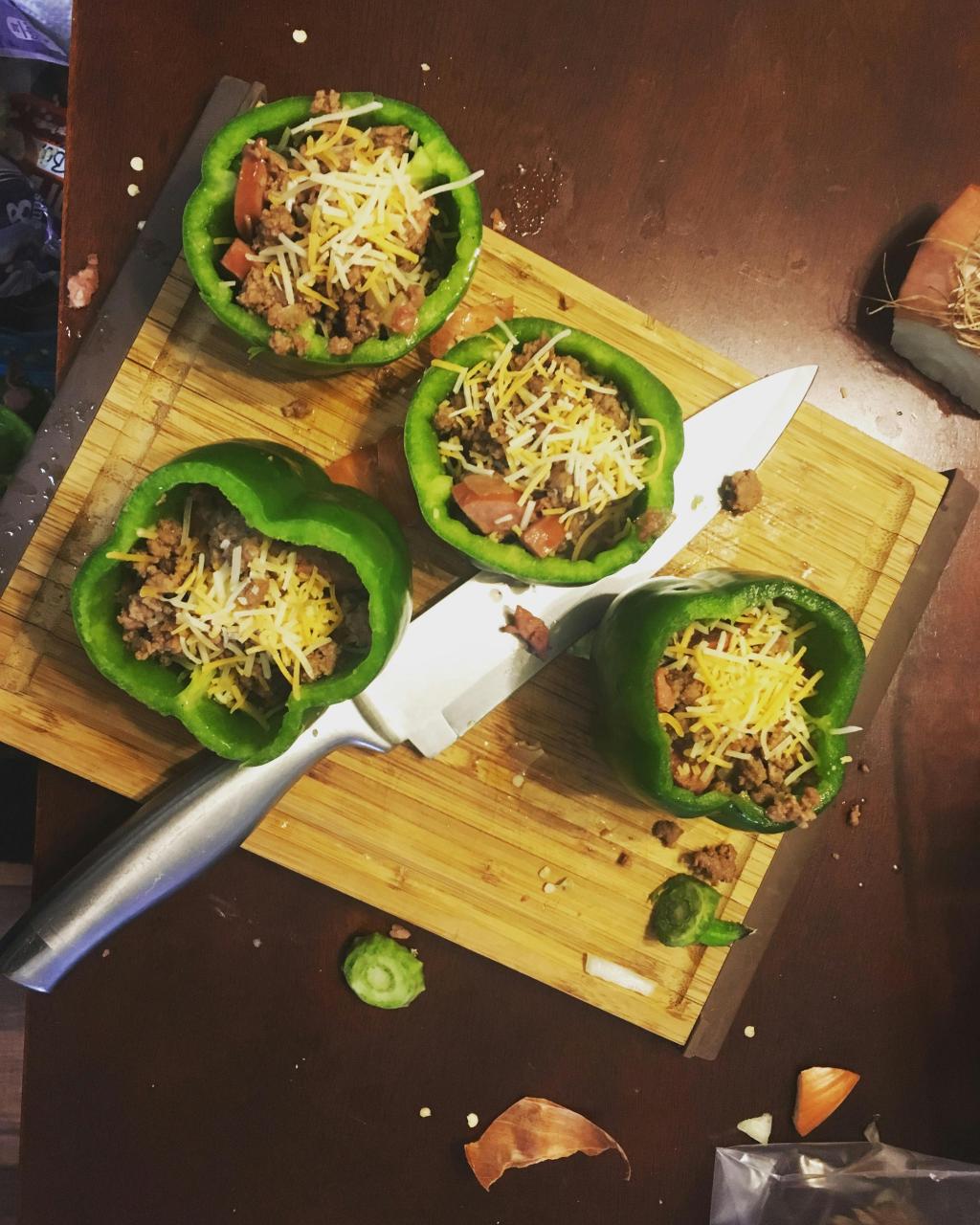
Meal preparation stands as one of the most powerful lifestyle changes an individual can adopt, offering a definitive, proactive solution to the ongoing struggle between health goals and time-constrained reality.
The core success of prepping lies in eliminating the daily, high-stress decision fatigue associated with making spontaneous food choices, ensuring healthy eating becomes the path of least resistance.
The benefits are vast, encompassing not only meticulous portion control and total command over ingredient quality but also significant financial savings achieved by systematically avoiding expensive and unplanned take-out meals.
Effective prepping requires a strategic approach, beginning with a detailed, goal-oriented plan, followed by an organized, categorized shopping trip, and culminating in efficient batch cooking techniques utilizing tools like the sheet pan or pressure cooker.
To ensure longevity, the emphasis must be placed on proper storage, using air-tight containers, strategically freezing later meals, and adding fresh elements daily to maintain textural appeal and flavor variety.
For long-term sustainability, individuals should embrace a flexible approach, perhaps focusing only on component prepping for maximum customization, rather than attempting to adhere to a rigid, fully pre-portioned routine that may lead to burnout.
Ultimately, by dedicating a few hours each week to this disciplined preparation, the individual reclaims precious time and mental energy during the busy work week, transforming their relationship with food and establishing a consistent, stress-free pathway to optimal long-term health.